Journal prompts
20 journal prompts for grief
Grief keeps no schedule and these questions do not ask it to. Start anywhere in the list. Leave anything you are not ready for.
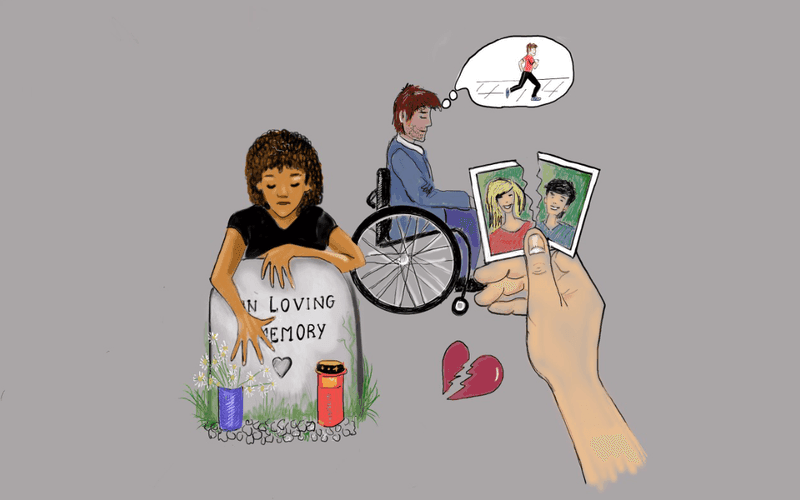
There is no correct order for these and no schedule you are behind on. The list is arranged as an arc, from what you are feeling right now, through memory and the body and the practical things that changed, to how you want to carry this forward. You can follow it or ignore it entirely. Reading down the page and answering the one question that catches you is a complete use of it.
Some of these will be too much on a given day. Numbers ten to thirteen ask what you wish you had said, what is hardest to talk about, and how your sense of yourself has shifted since. Leave them. They will still be here next month, and answering them because a list told you to is not the point. If what comes up is more than you want to hold on your own, that is a reason to talk to someone rather than a reason to write harder.
There is no version of this that finishes. People who keep answering these tend to find the questions change meaning rather than get resolved. The same question a year apart is often the clearest measure of where you are that anyone gets. That is not the reason to write today. Today the reason is that it is somewhere to put it.
The prompts
What specific emotions are you feeling right now?
Identify and name your emotions (e.g., sadness, anger, guilt). Acknowledging these feelings helps you understand your experience. Remember that there's no "right" or "wrong" in grief; we are allowed to move at our own pace.
What do you miss the most?
Pinpoint what you long for. Acknowledging this can validate your feelings of loss.
What memories of the person or situation make you really emotional?
Reflect on emotional memories. This can help you process the intensity of your grief and understand its sources.
What memories bring you comfort or joy?
Recall positive memories. This can provide relief and remind you of the good times shared.
How do you express your grief?
Consider how you show grief, such as crying, talking, long walks. Identifying your outlets can help you lean into healthy coping mechanisms. It can also help others understand you better.
What physical sensations have you noticed so far during your grief?
Describe any bodily reactions (e.g., fatigue, tension). Being aware of physical symptoms can guide you in caring for your body during grief.
How has your daily routine changed since your loss?
Note changes in habits or routines. Understanding these shifts can help you identify areas needing adjustment or additional support.
What thoughts or beliefs do you have about your loss?
Reflect on your internal dialogue about the loss. This can uncover negative thoughts that might need addressing or reframing. Don’t forget that a little kindness towards yourself during times of grief is especially important.
What unresolved feelings, if any, do you have about the person or situation?
Explore lingering emotions or unfinished business. This can guide you toward resolution or acceptance.
What do you wish you could have said or done differently?
Reflect on any regrets or wishes. This can be a step toward forgiving yourself and finding peace.
What aspects of your loss are hardest to talk about?
Identify challenging topics. Recognizing these can help you find safe ways to express them. Delve a little deeper into these aspects and consider how they relate to your support network.
What fears or anxieties, if any, do you have since your loss?
Identify any new worries. Naming these fears is an important first step toward easing their impact.
In what ways, if any, has your sense of identity been affected by your loss?
If so consider changes in how you see yourself. This can help you understand and rebuild your sense of self.
How has your relationship with others been affected by your grief?
Try to determine whether others have had a positive impact on your mood and were empathetic. If not, consider changes in your interactions. Perhaps you showed strength when you wished for support. Understanding how others respond to you can help you communicate your needs and feelings better.
Do you have a support system in place for times of need? If so, what does it look like?
List friends, family, or groups available to you. Knowing where we can turn to for support can bring us a sense of comfort and aid us in times of grief.
What support, if any, do you need that you haven't yet sought?
Identify additional help you might need. This can encourage you to reach out and ask for what you need.
What have been your coping strategies so far?
Evaluate what’s been helpful or harmful, and why you think this is. This can guide you toward more effective coping mechanisms.
How do you handle anniversaries or significant dates related to your loss?
Planning gently for these days can help — even a small ritual. Anticipating them gives you time to prepare emotionally.
How has your perspective on life changed since your loss?
Examine any shifts in your worldview. Perhaps you see the world through tinted glasses, such as feeling pessimistic or deflated. This reflection can reveal growth or areas of adjustment needed. Remember that loss can impact your perspective but that this feeling is always subject to change.
How do you want to remember and honour the person or situation in the future?
Think about legacy and remembrance. Planning for the future can be a way to keep the memory alive.
Prompts that keep your answers
These lists are yours to use anywhere, and a notebook works perfectly well. If you would rather the questions came to you, and kept every answer in one place so you can read them back later, that is what Luci does. Over 550 prompts across twenty topics, and when a question comes round again it shows you what you said last time.
All journal prompt topicsSee how guided prompts work in Luci
Start where you are
Luci is free, works offline, and asks for about ten seconds a day. No account needed.