Journal prompts
Journal prompts by topic
An empty page is the obstacle. Not your willpower, not your discipline, and not whether you are the kind of person who journals. A question is a much smaller thing to answer than a page is to fill.
Why a prompt beats a blank page
A blank page is a hard brief. It asks you to pick a subject, decide how to open, and judge whether any of it is worth writing down, all before you have written anything at all. Most people put the pen down somewhere around the first step.
A specific question is a small brief. “What do you miss the most?” has an answer. You might not like the answer, and it might take you somewhere you were not expecting to go, but you know what you are being asked. The hardest part of starting is already done for you.
That is the whole trick. Prompts will not make you a better writer or a more honest one. They remove the part of journalling that people actually quit at, which is the first sentence.
How to pick a topic
Choose the one that matches where your head actually is today, not where you think it ought to be.
This sounds obvious and it is the thing people get wrong most often. If you are lying awake over money, the mindfulness prompts will feel like homework. If you have just lost someone, the productivity questions are an insult. The topic that is bothering you is the one worth writing about, even when it is the one you would rather walk past.
If nothing in particular is pressing, start with daily reflection. Those questions work on an ordinary day, which is most days, and it is the easiest place to build the habit.
How to use a prompt well
A sentence counts. Some of the most useful entries anyone writes are four words long. A short honest answer beats a long dutiful one every time, and nobody is marking this.
Skip freely. If a question does not apply to you, or you read it and feel nothing, go to the next one. Skipping is not failing at journalling. Sitting there trying to force an answer you do not have is the thing that makes people stop for good.
Answer what you were asked, then stop. You do not owe the page a conclusion. Plenty of these prompts are more useful for what they make you notice than for whatever you end up writing down.
There is no right order. Work down a list, jump around it, or answer the same question twice in a week.
Fourteen topics to start from
Twenty prompts on each page, in a deliberate order, each with a note on what the question is really asking.
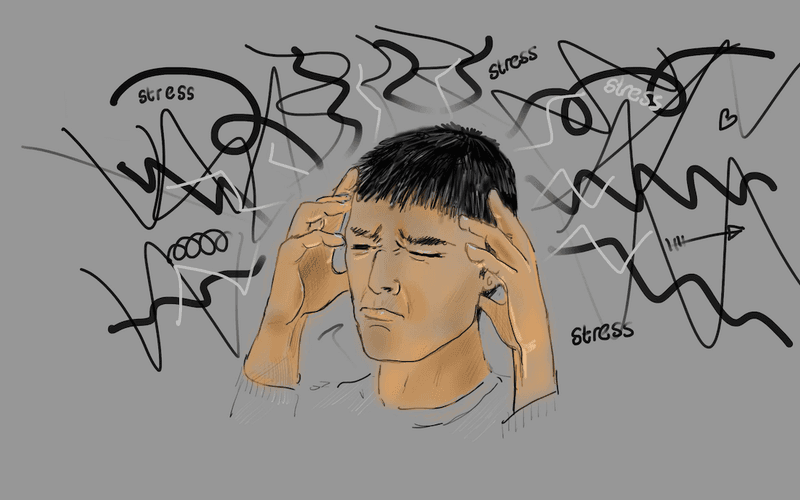
Journal prompts for stress
For the weeks when everything arrives at once.
3 of 20 prompts
- What is stressing you out right now?
- Where does your stress hurt?
- What do you feel responsible for that is out of your control?
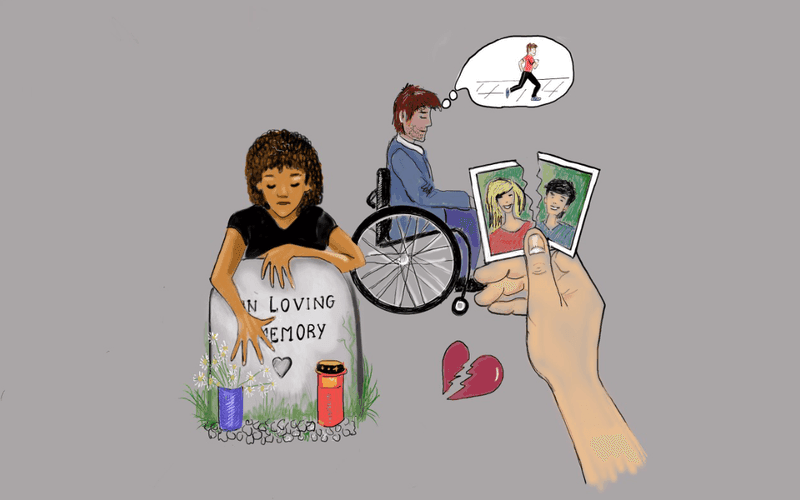
Journal prompts for grief
For loss, and for the ordinary days that come after it.
3 of 20 prompts
- What do you miss the most?
- What memories bring you comfort or joy?
- How has your daily routine changed since your loss?
Journal prompts for motivation
For the goal you keep meaning to start.
3 of 20 prompts
- What will happen if you change nothing?
- What step do you keep putting off, and why?
- What excuses do you often use, and are they fair?
Journal prompts for self-confidence
For the voice that talks you out of things.
3 of 20 prompts
- In what areas of your life do you feel the least confident?
- How do you react to compliments?
- In what ways, if any, do you downplay your accomplishments?
Journal prompts for relationships
For the person you are closest to.
3 of 20 prompts
- How do you express and receive love in your relationship?
- Are there any unresolved issues or recurring patterns that need attention?
- How do you maintain a sense of individual identity while being part of a couple?
Journal prompts about friendship
For the friendships you want to keep.
3 of 20 prompts
- What do you value most in a friendship?
- What qualities do you bring to a friendship?
- How do you react when a friend disappoints you?
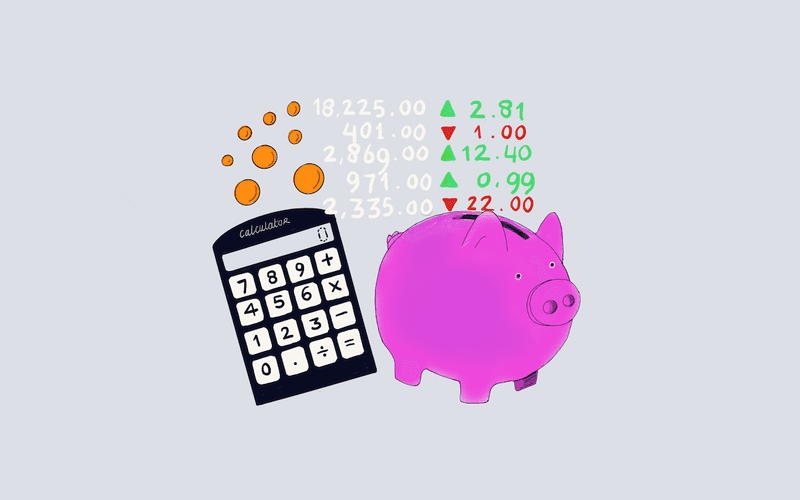
Journal prompts about money
For what you were taught about money, and what you do with it now.
3 of 20 prompts
- Complete the following sentence: for me, money means …
- What were you taught about money growing up?
- What aspect of your finances do you avoid?
Journal prompts for daily reflection
For an ordinary day. The easiest place to start.
3 of 20 prompts
- How are you feeling right now, really?
- What went right today, even if a lot didn't?
- What can you set down before you sleep?
Journal prompts for mindfulness
For getting back into the room you are actually in.
3 of 20 prompts
- How would you describe the last time you felt in the moment?
- How do you feel in a quiet room?
- Is there something you're holding onto that you'd like to let go of?
Journal prompts for productivity
For working out what a good day actually looks like.
3 of 20 prompts
- What makes a day productive for you?
- Which weekly task can you automate for yourself?
- What can you let go of to create space and time for something else?
Journal prompts for exercise
For the workout you keep not doing.
3 of 20 prompts
- What is your biggest hurdle preventing you from becoming more active?
- How do you feel after you skip a workout?
- Is there anything you can change in your environment to become more active?
Journal prompts for loneliness
For the days when the room is too quiet.
3 of 20 prompts
- What is your favourite thing to do when you are alone?
- Finish this sentence: I really wish others knew about me that …
- How could you put more energy into your relationships?
Journal prompts for creativity
For when the ideas have gone flat.
3 of 20 prompts
- When are you at your most creative?
- Look around and find an everyday object. How would you change it for the better?
- Name three physical items at random. Can you bring them together to make something new?
Journal prompts for teens
For growing up, and everything that arrives with it.
3 of 20 prompts
- What worries you about the future?
- If you had to give yourself one compliment, what would that be?
- Who has had the greatest impact on your life recently?








Come back to the same topic in six months
This is where the value is, and it is the part that takes patience.
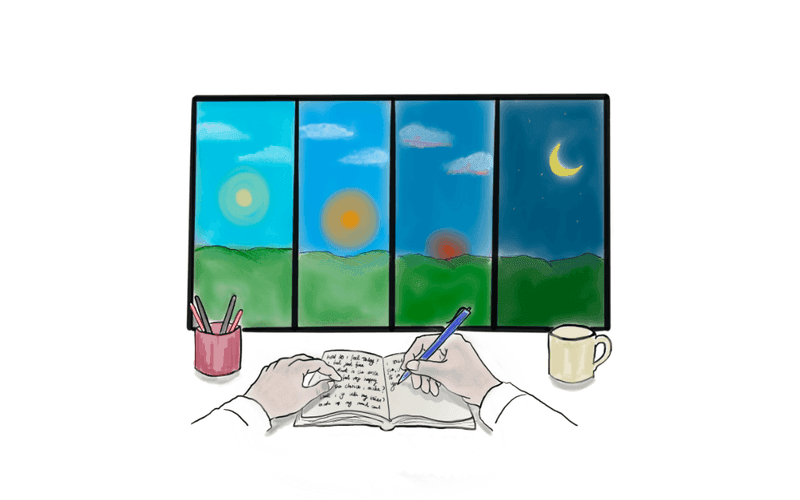
Answer twenty prompts on stress today and you have a snapshot. Useful, and only a snapshot. Answer the same twenty next spring and you have something you cannot get any other way: your own words on the same question, a year apart, sitting next to each other.
Most people have no real evidence of how they have changed. Memory quietly rewrites the past to match the present, so the version of last year you carry around is mostly a reconstruction. An answer you wrote down at the time is not a reconstruction.
The change is rarely the one you expect. Sometimes the thing that was consuming you has gone so completely you had forgotten it was there. Sometimes it has not moved an inch, and reading that in your own words is what finally makes you do something about it.
Common questions
How do I start if I have never journalled before?
Pick one question and answer it in a sentence. That is a finished entry. The habit gets built by starting small enough that you cannot fail at it, and a blank page is usually what happens when someone sets the bar at a page.
How often should I use these prompts?
As often as you will actually keep doing. Once a week that lasts a year is worth more than every day for nine days. If you want a rhythm rather than a rule, one question from the daily reflection list is the easiest one to hold onto.
Is it better to journal in the morning or in the evening?
Both work and they do different jobs. A morning prompt sets an intention for a day that has not happened yet. An evening prompt looks at one that has. If you are choosing, start with evenings. You already have something to write about.
What if I read a prompt and nothing comes?
Go to the next one. A question that does not land is not a question you failed. Watch for the ones that come back to you later in the day though. Those are usually the ones worth returning to.
Should I write by hand or on a screen?
Whichever you will actually do. Handwriting is slower, which some people find makes them think more carefully. Typing is faster and searchable, which matters if you want to read old entries back. Either way the gap between them is much smaller than the gap between writing and not writing.
Can journalling make you feel worse?
It can, for a while. Writing about something difficult often brings it closer before it settles, and that is worth knowing before you start rather than halfway through. Go at your own pace, leave what you are not ready for, and stop if it is not helping. If what you are writing about is more than you want to carry on your own, talk to someone qualified.
Prompts that keep your answers
These lists are yours to use anywhere, and a notebook works perfectly well. If you would rather the questions came to you, and kept every answer in one place so you can read them back later, that is what Luci does. Over 550 prompts across twenty topics, and when a question comes round again it shows you what you said last time.
Start where you are
Luci is free, works offline, and asks for about ten seconds a day. No account needed.