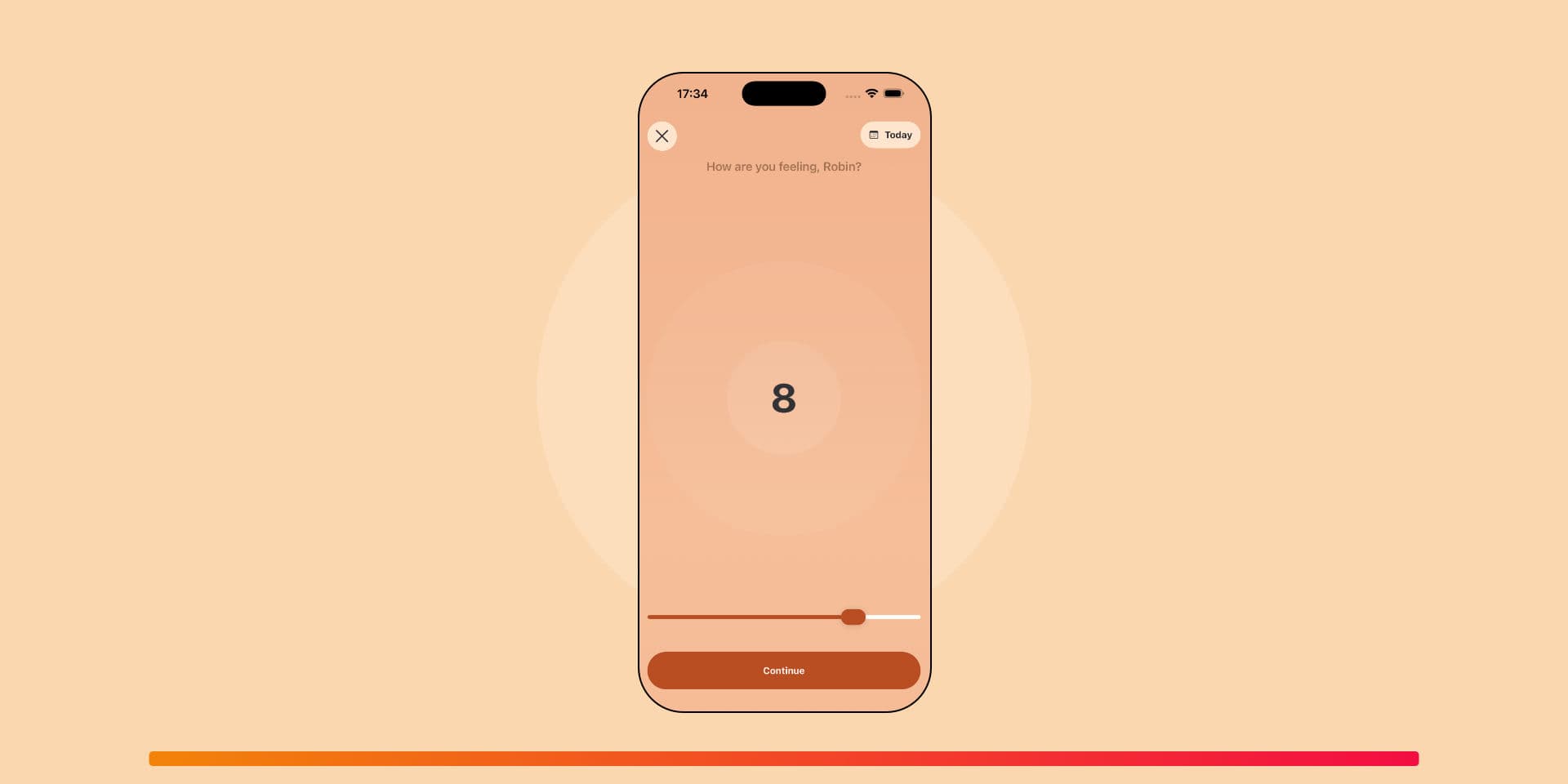
Bipolar disorder is one of the few conditions where the thing you most need to understand, your own mood over time, is also the thing that is hardest to see from the inside. A good week feels like the truth. A bad month feels like the truth. The pattern that connects them tends to be visible only from a distance.
This article covers what bipolar disorder actually is, why it is so difficult to live with, what the research says about tracking your mood, and, towards the end, how Luci approaches that job. If you only take one thing from it, let it be this: the patterns are real, and they are yours to find.

What bipolar disorder is
Bipolar disorder is a mental health condition that affects mood, energy, activity and thinking. The World Health Organization estimates that around 37 million people, roughly one in 200, live with it worldwide. It shows up mostly in working-age adults, though it often begins earlier, and it affects men and women in roughly equal numbers.
The defining feature is the episode. There are two kinds.
During a manic episode, mood and energy run unusually high. That can feel like euphoria, or like irritability and restlessness that will not settle. It usually comes with other changes: a much reduced need for sleep, racing thoughts and rapid speech, an inflated sense of self, distractibility, and behaviour that carries more risk than usual, such as overspending or drinking. Hypomania is a milder version that does not disrupt daily life to the same degree, which is part of why it so often goes unnoticed.
During a depressive episode, mood drops and stays down. Interest and pleasure fade. Concentration goes, guilt and hopelessness arrive, sleep and appetite shift, and energy is low. What separates this from an ordinary rough patch is duration: the symptoms last most of the day, nearly every day, for at least two weeks.
The two main types differ by which episodes a person has had. Bipolar I involves at least one full manic episode, usually with depressive episodes that become more frequent over time. Bipolar II involves hypomania and at least one depressive episode, but never full mania. Across both, depression is typically the phase people spend the most time in.
Nobody knows exactly what causes it. Genetics matter, and so do psychological, social and structural factors. Stressful life events such as bereavement, violence or a relationship ending can trigger or worsen episodes, and alcohol and drug use can shape how the condition develops.
Why it is so hard to live with
The episodes are only part of the difficulty. A few things make bipolar disorder particularly hard to navigate.
It takes years to name. Across several large reviews, the average delay between the first symptoms and a bipolar diagnosis sits at around five to ten years. The most common wrong turn is a diagnosis of depression, because that is the phase people seek help for. Hypomania rarely sends anyone to a doctor. In one UK primary care study, one in ten people prescribed antidepressants turned out to have undiagnosed bipolar disorder. The US National Institute of Mental Health makes the point directly: to avoid misdiagnosis, it is important to look at the course of the condition over days and weeks, not just the symptoms in the room today.
The space between episodes is not flat. For a long time, bipolar disorder was thought of as episodes separated by stable periods. Research over the past decade has shifted that view. Many people experience noticeable day-to-day or week-to-week mood swings between episodes, larger than those without the condition, and those swings are associated with a higher chance of relapse. Mood instability is now understood as part of the condition itself, not just its extremes.
Sleep and rhythm are tightly involved. Irregular sleep and disrupted daily routines are among the most consistent markers of bipolar disorder, and they can both precede an episode and be triggered by one. Across studies of early warning signs, the single most commonly reported precursor of mania is a change in sleep. For depression, it is loss of interest.
Stigma adds a second weight. The WHO notes that discrimination against people with bipolar disorder is widespread, in communities and within health services, and that it limits access to care, work and housing.
It is worth saying plainly that recovery is possible. Symptoms often recur, but with appropriate care, people with bipolar disorder cope with their symptoms and live full lives. Treatment is usually a mix of medication and psychological or psychosocial support, and it works best when the person is meaningfully involved in decisions about their own care.

Why tracking your mood matters
When the WHO lists the lifestyle changes that help people with bipolar disorder stay well, mood monitoring is on the list, next to regular sleep, physical activity, a healthy diet and reducing stress. It is the position of the world's health body, and it reflects a long history.
Mood charting has been part of bipolar care since well before smartphones. The National Institute of Mental Health's Life Chart Method has been used for decades. Bipolar UK publishes a paper mood diary alongside a 0 to 10 mood scale developed with people who live with the condition. Self-monitoring is described in the research literature as a cornerstone of psychological therapies for bipolar disorder, used to support self-management and to spot early warning signs of relapse.
Why does it help? A few reasons hold up across the evidence.
Memory is unreliable about mood. Researchers have noted that recalling how you felt over a month is prone to bias, especially from within an episode. A record made on the day is a different kind of evidence.
Early warning signs are personal, and they repeat. Studies have found that while warning signs vary a lot between people, within one person they tend to be consistent over time. Learning to recognise and act on your own early signs has been shown to increase the time between episodes, reduce hospital admissions and improve day-to-day functioning. You cannot learn your signs without a record to learn them from.
It gives you and your clinician something to look at. People in self-monitoring studies describe bringing their data to appointments and being able to say, concretely, what has been shifting and where. That turns a vague "not great lately" into a conversation about specifics.
Stability itself is informative. Newer research treats mood variability, not just mood level, as a signal. Rising variability in daily self-ratings has been observed before transitions into both manic and depressive episodes. Watching your own range over time may tell you something that any single day cannot.
One caveat, because the research includes it: self-monitoring is not always experienced positively. For some people, rating symptoms every day is a reminder of being unwell, and it can feed rumination. That is worth knowing, and it is one reason the next section matters.
Finding a tracker that fits how you feel
If you decide to track, the most important decision is not which app has the most features. It is whether the tool fits the shape of your own experience. A few things to weigh:
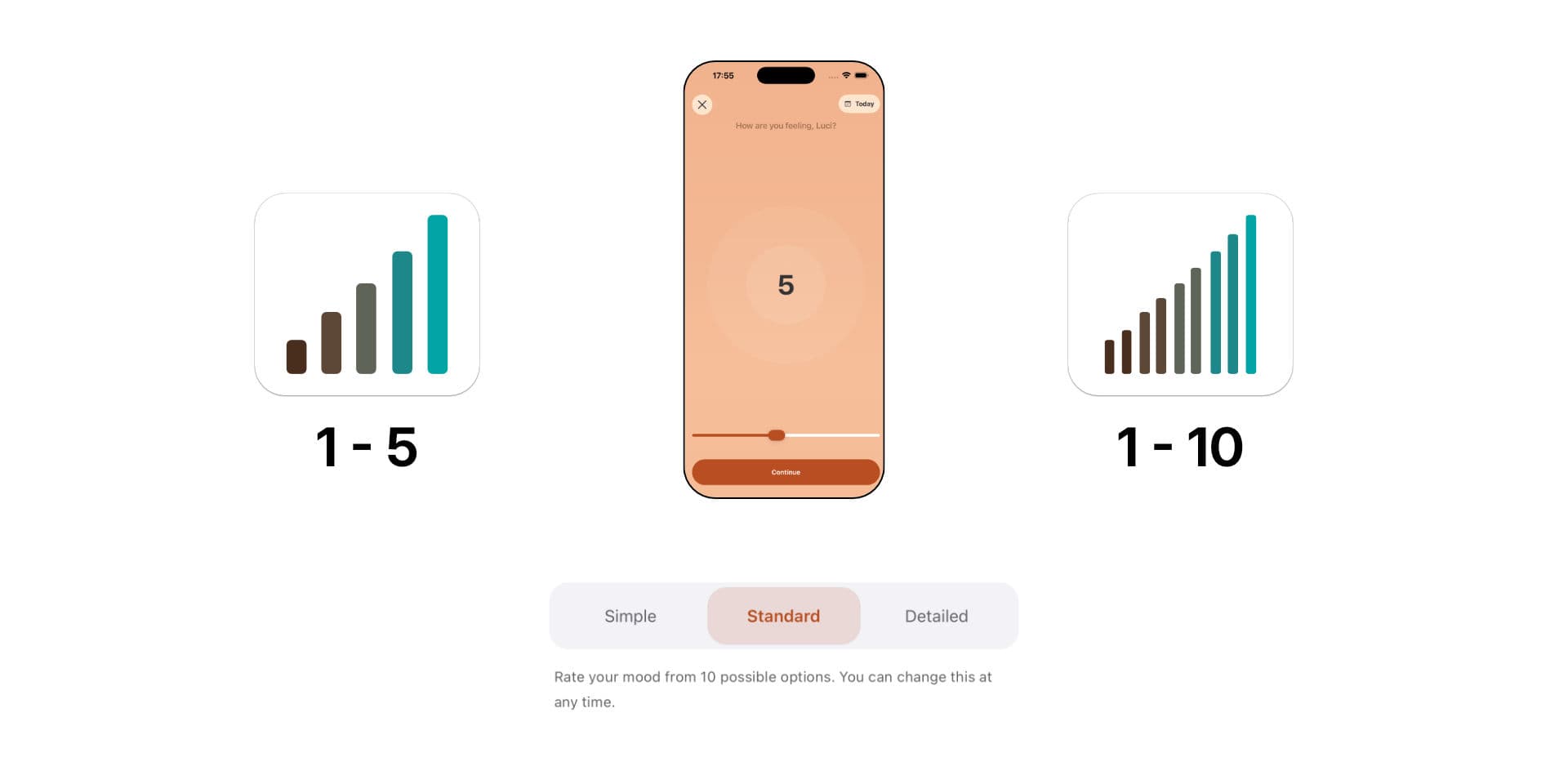
The scale has to match your range. Bipolar UK's scale runs from 0 to 10 because people with bipolar disorder move across a much wider range than the 4 to 6 most people live in. A three-face scale that goes from sad to happy may not have room for the difference between "a little high" and "not sleeping and spending money". At the same time, on a heavy day, ten options can be nine too many. The right level of detail is the one you will actually use.
Context has to be easy to add. Mind's guidance on self-managing bipolar disorder is clear that triggers differ from person to person, and that recognising your own patterns lets you act on them. Sleep, people, places, what you ate, whether you moved: if it takes effort to note these, they will not get noted.
It has to stay easy. Given that monitoring can feel heavy, a tool that lets you dial the detail down, or hide the numbers on a hard day, is doing something useful rather than something cosmetic.
It has to be private. Your mood history is among the most sensitive data you will ever create. Where it lives, and who can see it, is not a detail.
Whatever you choose, paper or app, the value comes from consistency and from looking back. A month tells you about a month. A few years tell you about you.
How Luci approaches this
Luci was built as a mood tracker and guided journal that connects what you do, who you are with and how you feel, then shows the patterns. It was not built for one condition, but several of its choices happen to line up well with the things above.
A scale you set. You can log mood on a simple five-point scale, or switch to detailed mode, which runs from 1 to 10 in steps of 0.1. That means you can start simple and add resolution when you want it, or go the other way in a rough patch. The detailed scale is a close match for the kind of 0 to 10 range that Bipolar UK's scale uses.
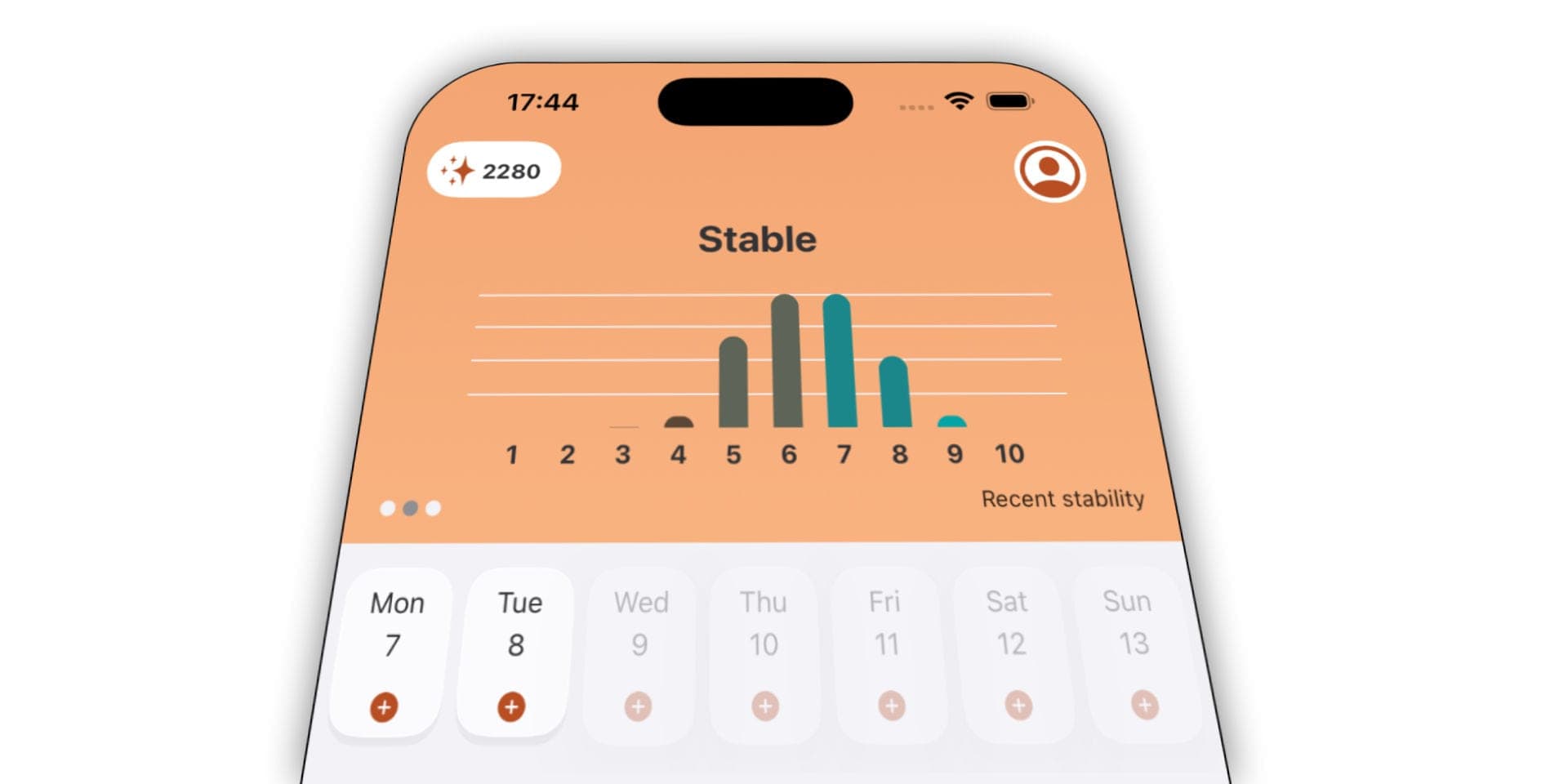
A stability graph. Luci shows how often each mood on the scale has been chosen over a period. A narrow cluster in the middle looks different from a wide spread across both ends, and watching that shape change over months is one way to see your own range rather than just your average.
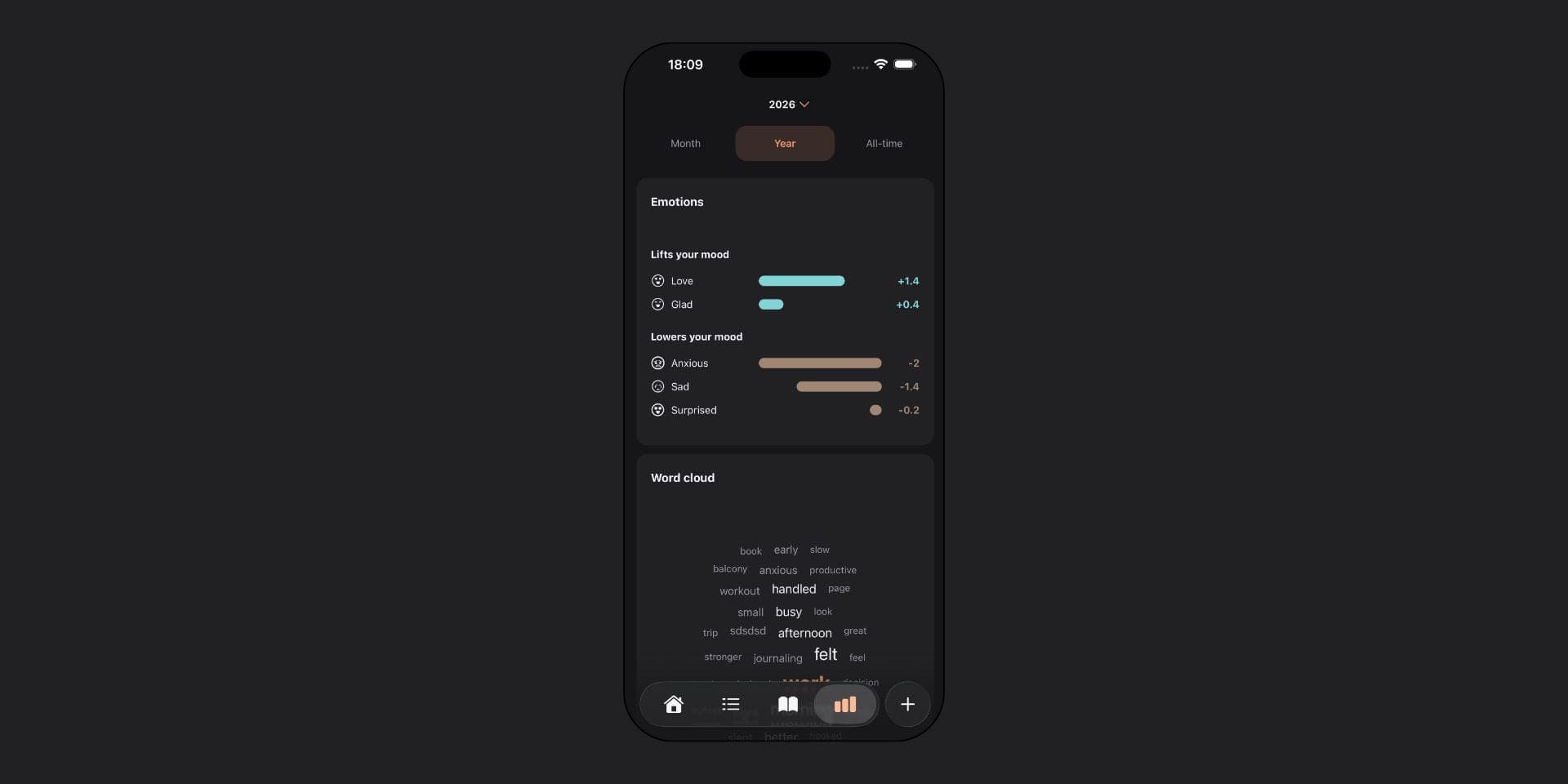
An emotions frequency graph. Alongside the number, Luci records the emotions you pick, and shows which ones keep turning up. Irritable, restless, tired, calm: their frequency over time is its own pattern.
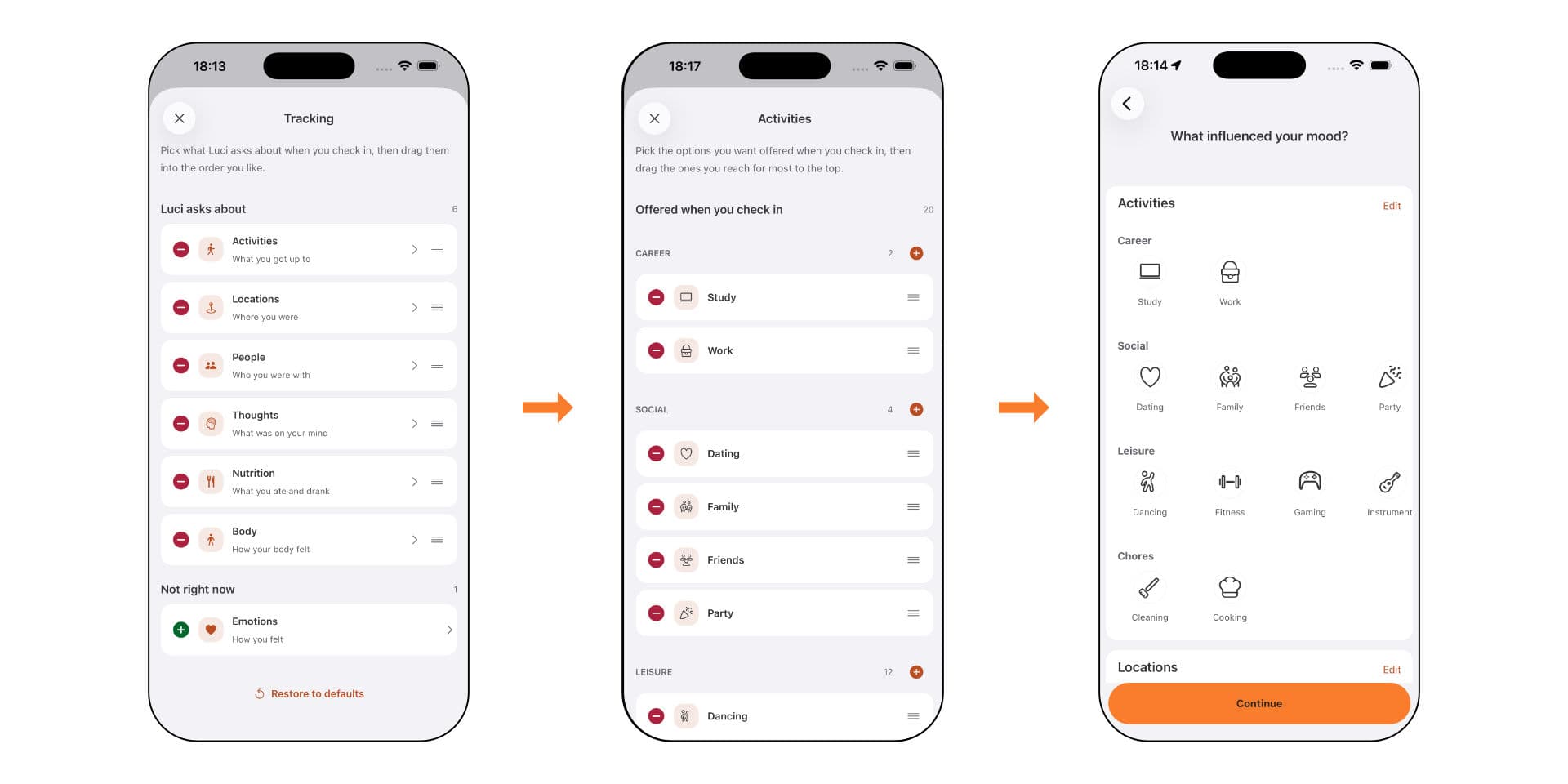
Tracking what surrounds a mood. You can log locations, nutrition, body, people and activities against each entry, and add your own custom items. Over weeks, Luci lines these up with your ratings and shows what tends to sit next to your better and worse days. This is the part that turns a mood log into a trigger log.
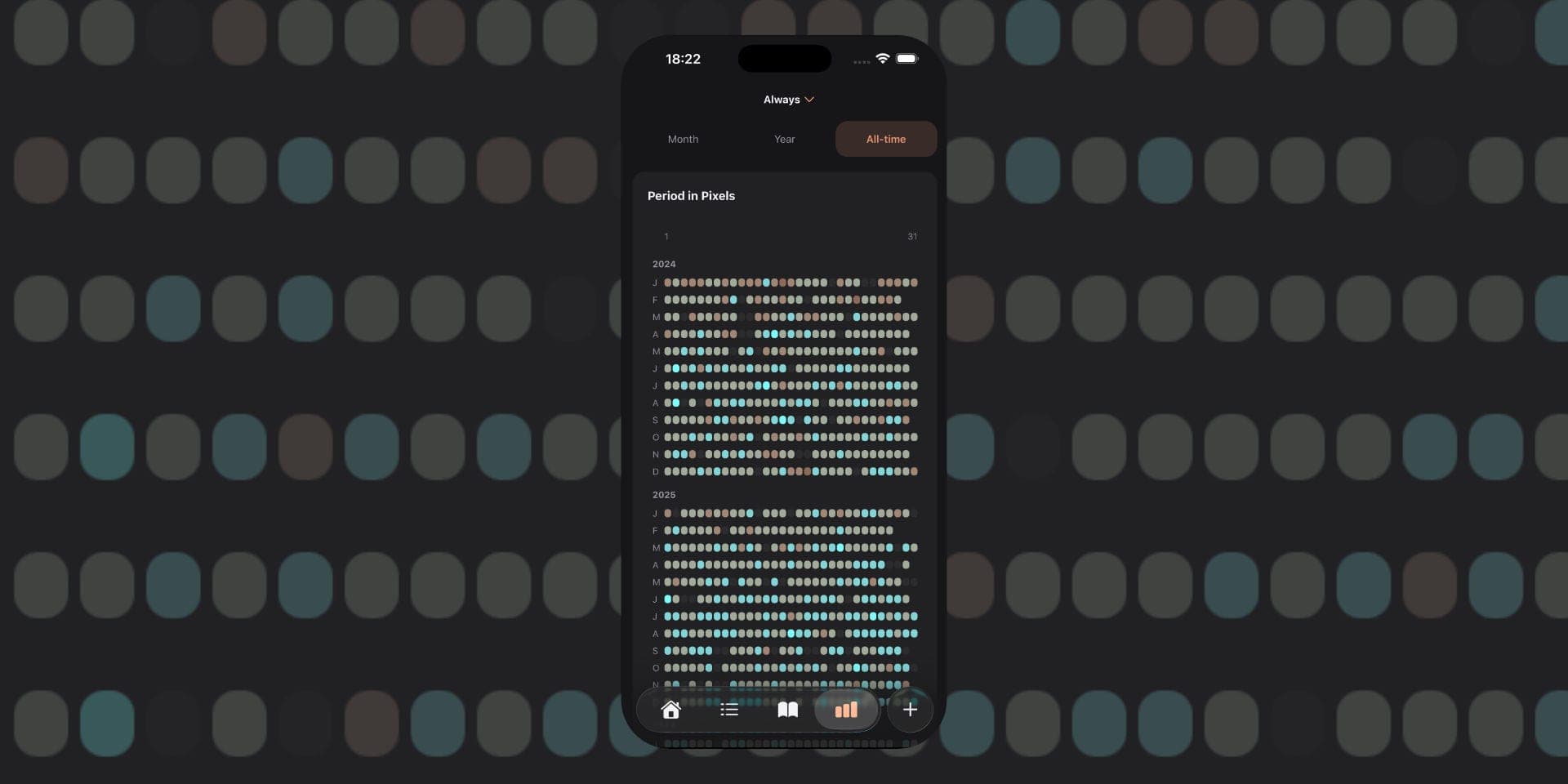
The familiar views. A Year in Pixels, one square per day, and a chart of mood over time. These are the classic bipolar mood chart formats, drawn from your own entries.
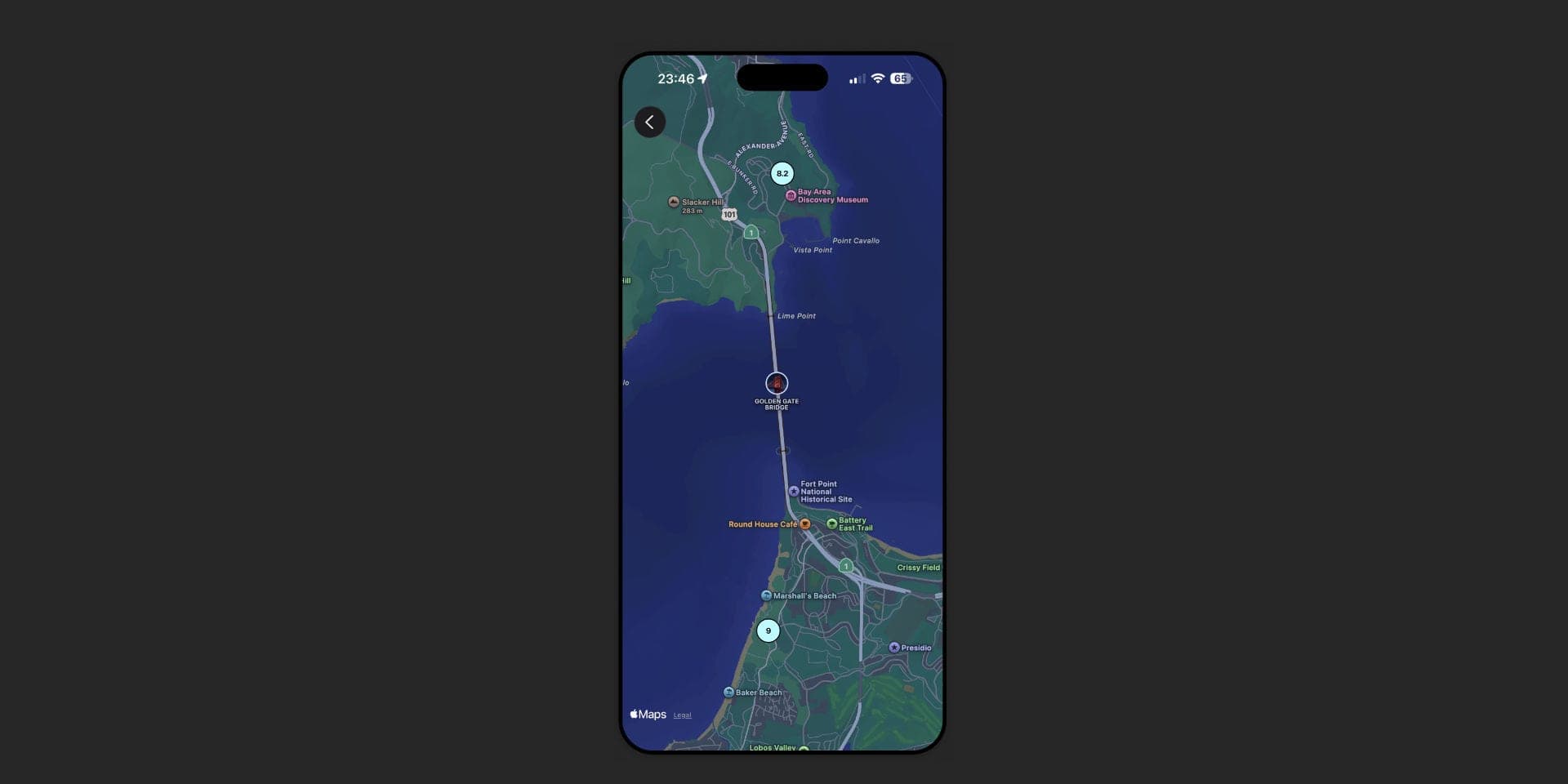
Mood on a map. Luci can show how you felt at each place you logged from. For people whose mood shifts with environment, that view can be revealing in a way a list is not.
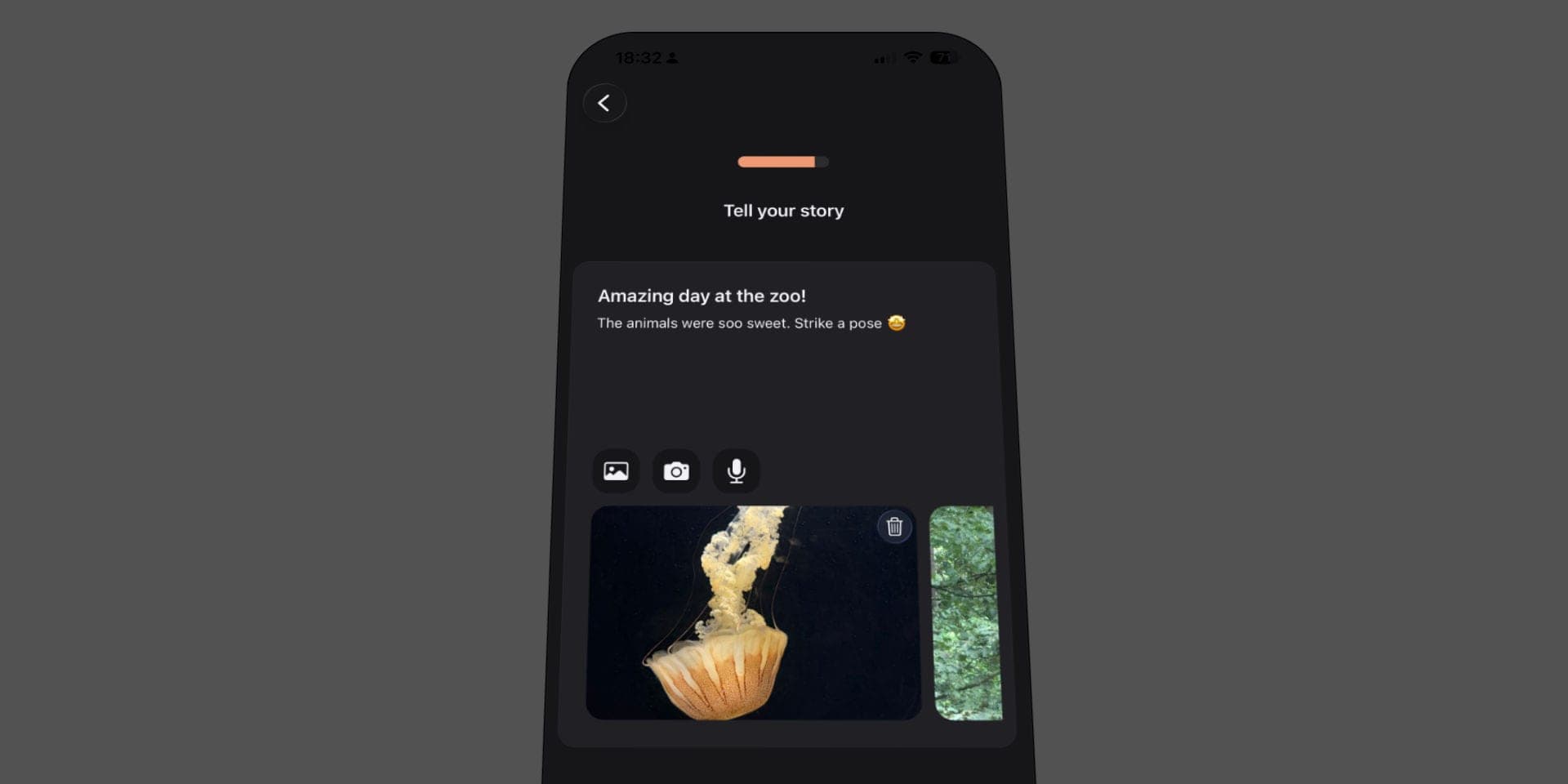
A journal that takes more than text. Each entry can hold written notes, audio and photos. Recording a voice note is faster than typing when energy is low, and a photo can hold context that a sentence would miss.
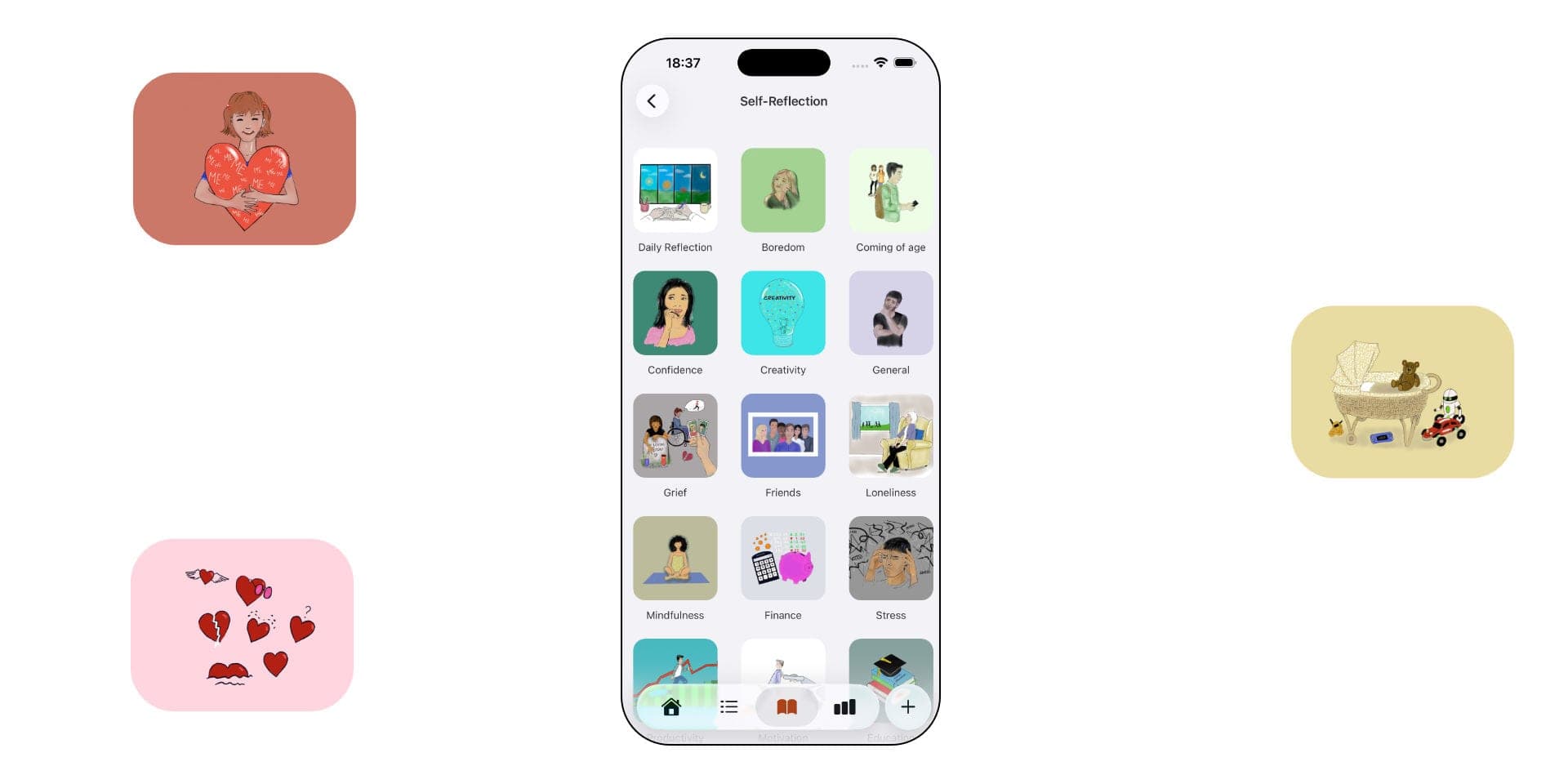
Prompts, by topic. Luci includes journal prompts organised by theme, so you can write about sleep, relationships, work or routine when a plain "how was today" is not enough. According to the research, recording context alongside your mood can help recovery, which Bipolar UK's own diary does with a daily notes column. Prompts are one way to make that context easier to write down.
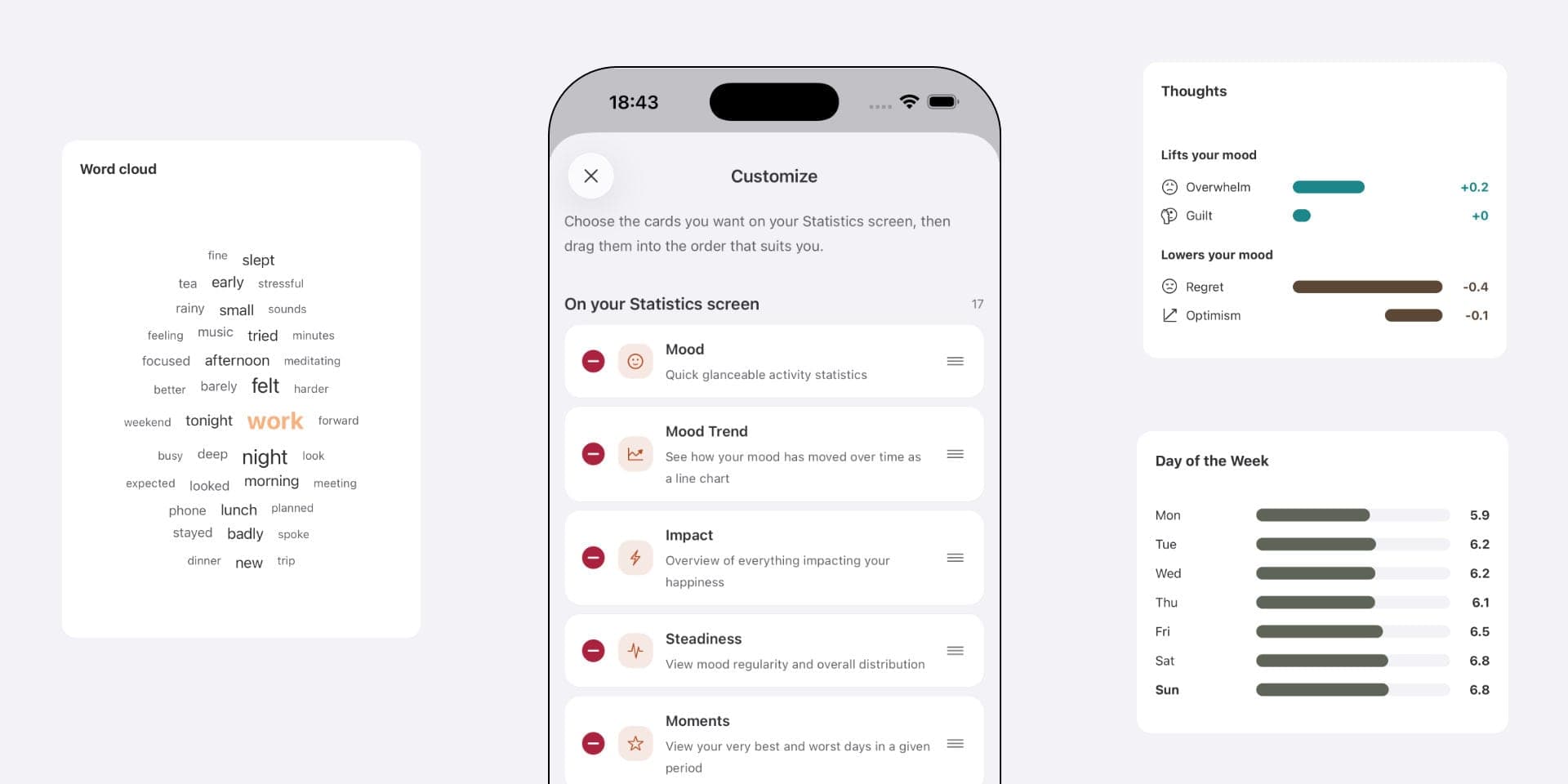
You decide what you see. Every graph on the stats screen and the home screen can be hidden or shown. If the numbers are helping, keep them close. If they are weighing on you this week, tuck them away and keep logging. The record continues either way.
Private by default. Your entries stay on your device unless you choose to sync them. Read more in our privacy policy. Your journal is not our inventory.
Export for a professional conversation. All your data from the app can easily be exported and printed, so you can bring it to a professional conversation. You decide the level of detail, which period to print, and whether to include the written entries too.
What Luci is not
Luci does not diagnose, treat or predict bipolar disorder, and it is not a substitute for a clinician, a support group or the people who know you. It surfaces patterns. What those patterns mean belongs to you and, if you choose, to the professionals you work with. If something in your record looks like it is shifting, that is worth a conversation with someone qualified, not a conclusion to draw alone.
If you are in crisis, please contact your local emergency services or a crisis line now.
Luci is on the App Store and Google Play, with Apple Watch and widgets for quick logging. The free version includes mood tracking, the core graphs and the journal. If it fits how you feel, it is yours to keep.
Sources (11)
- Bipolar disorder fact sheet
- Bipolar disorder
- Mood scale and mood diary
- Self-management for bipolar disorder
- Electronic self-monitoring of mood using IT platforms in adult patients with bipolar disorder: a systematic review
- Early warning signs checklists for relapse in bipolar depression and mania
- Experiences of a web-based quality of life self-monitoring tool for individuals with bipolar disorder
- Identifying prior signals of bipolar disorder using primary care electronic health records
- The complexity of delayed diagnosis in bipolar disorder: a systematic review
- Prospective early warning signals to detect transitions to manic and depressive episodes in bipolar disorder
- Circadian rhythm dysfunction in bipolar affective disorder

Luci
Bringing light to your mental health journey.