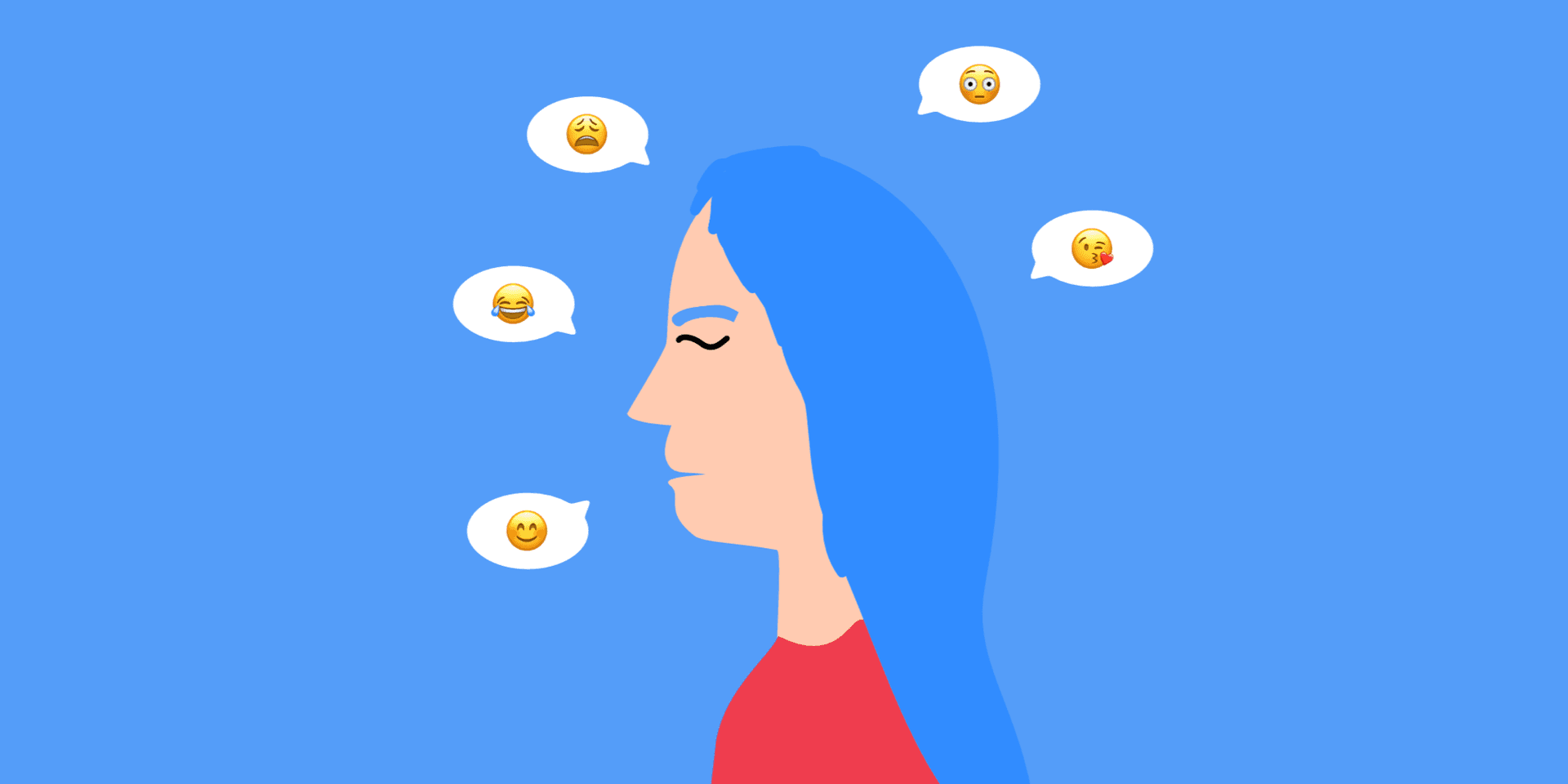
Emotional reasoning is a very common mind trap. How we feel inevitably colors the way we see the world around us. Have you ever said, “Sorry I did this wrong, I’m just a silly person”? It’s a harmless thing to say, and maybe you do feel silly at times. But why not express it more accurately? “Sorry, I feel a bit silly right now.” The difference is subtle. In the first example we are definitely saying we are silly, just because of one moment. In the second example we are describing how we actually feel, right now.
The way we talk to ourselves is important for our confidence and mental health. If we’re not careful, we might fall into emotional reasoning: mistaking our feelings for actual facts. This can impact our confidence and willingness to change. Luckily, our feelings, actions and outcomes are fluid. We are more than a situation. We are more than one thing. Let’s dig deeper into emotional reasoning.
What is emotional reasoning?
Emotional reasoning happens when we believe our emotions define reality. In the example above, instead of recognizing silliness as a passing feeling, we label ourselves as a silly person. This is easy to do. After all, if we feel something strongly, it must be true… right? Not necessarily.
Here are some examples of emotional reasoning at work:
- “The world is a scary place.”
- “I am guilty.”
- “I am stupid.”
- “I am socially unaware.”
Now compare them to these:
- “I feel scared.”
- “I feel guilty.”
- “I made a mistake.”
- “I feel lonely.”
This is just a hunch, but you might have said one of the first four phrases to yourself at least some of the time. In reality, the second four are probably closer to how you actually felt.
The difference sits in the timelessness of the phrases. “I am” or “the world is” are very definite. They state a fact, something that feels heavy and hard to change. “I feel” or “I made” describe a moment, something that is happening now but is easily fixed or soon out of date. It not only feels better, it is probably also more true. After all, you may feel guilty or scared, but you are not a guilty person. Perhaps on one count or two, but never all of the time.
Our brains are constantly trying to make sense of the world around us, which is where emotional reasoning comes into play. Because we cannot consciously register every single sensory input, everything we see, hear and feel, we often act on automatic thoughts. Of course, these can easily be knocked off course by other events in your life. For example, if you are unsure about a personality trait, or are already feeling stressed or sad, those feelings might creep into these automatic thoughts and tint them. But a single feeling does not define our identity.
Emotional reasoning can be harmless, but it can also turn temporary emotions into rigid self-beliefs that are hard to break. Combined with other mind traps such as confirmation bias, we might fall into a spiral of reinforcement, which turns a temporary feeling into a character trait.
By spotting the mind trap in the moment, we can actually prevent this spiral from starting. And if we do miss the moment, then a moment of reflection can help us self-correct and find the right path forward again. Let’s discover how.
How to correct emotional reasoning
Emotional reasoning can be corrected by taking time and challenging beliefs about yourself. One simple habit can help: before bed, take a moment to reflect. Write down any strong thoughts or emotions you experienced during the day, then challenge them by listing contradicting evidence. Celebrate the pause to really think about your trajectory.
Remember: our emotions do not define who we are. They are not absolute truths, nor do they paint a picture of our personalities. We are not our feelings. We are great just the way we are, and by pausing we actively decide whether we want to pursue a different lifestyle or emotion.
If you find yourself struggling with the same thought patterns repeatedly, take action. Rather than making black-or-white statements about yourself, shift your focus to solutions. Challenge your thoughts, take action, and give yourself the space to grow. Emotional reasoning is one of many mind traps. Learning to name them is half the work.

Luci
Bringing light to your mental health journey.