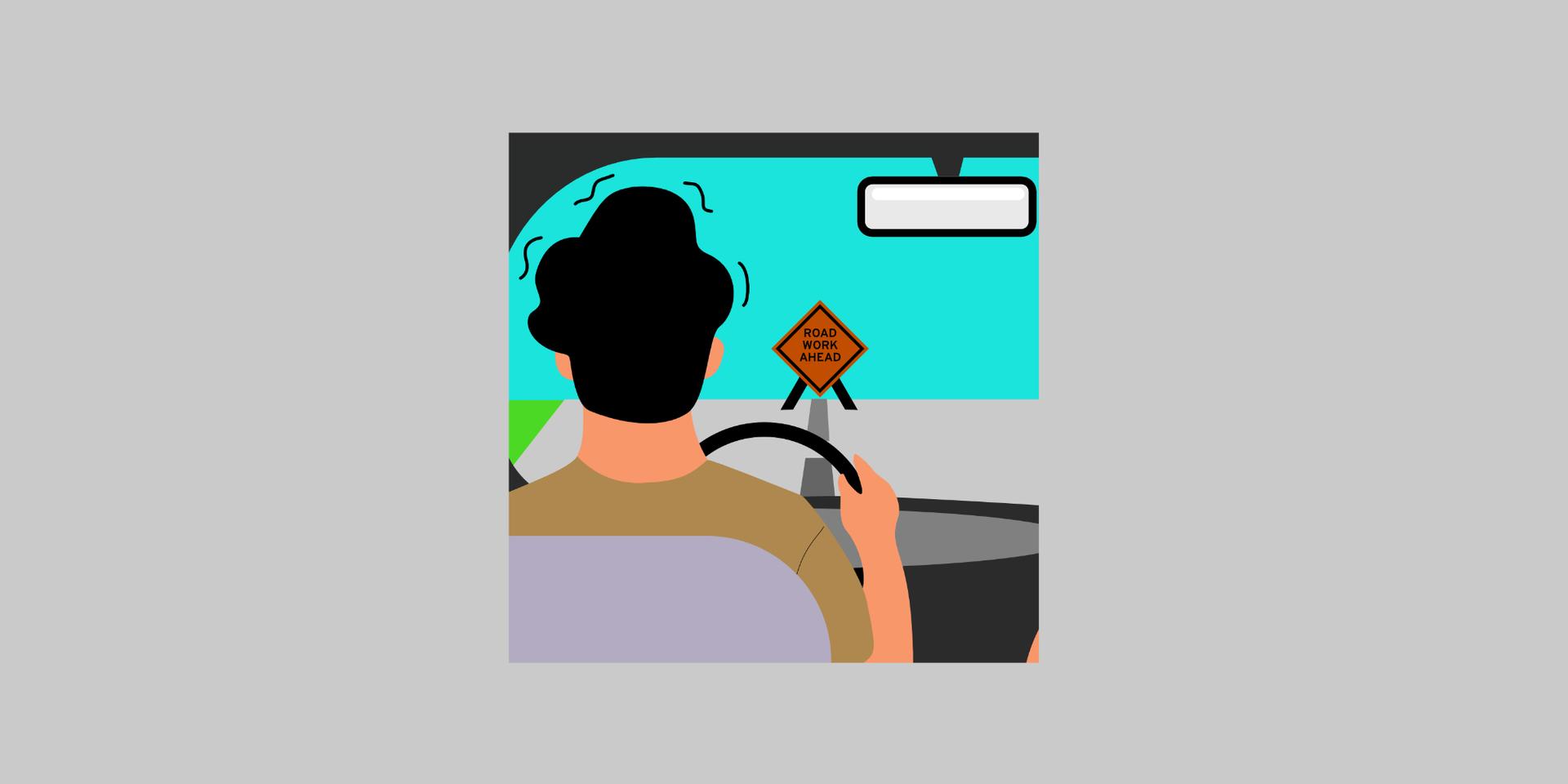
What is selective abstraction?
Selective abstraction is a thinking habit where you pick out one detail of an experience, usually a negative one, and let it stand for the whole thing. Everything else that happened fades into the background. In cognitive behavioral therapy it is one of the common cognitive distortions, and it is also called a mental filter.
Example: You give a presentation. Most people nod along, and two colleagues thank you afterwards. One person checks their phone the whole time. On the way home, that phone is all you can think about, and the whole talk starts to feel like a failure.
Selective abstraction is the process of taking one aspect out of a larger experience, usually a negative one, and ignoring everything else. It is also often called a "mental filter". In reality, moments in life are rarely all good or all bad. Selective abstraction is often unconscious, and it quietly reinforces our negative thoughts and beliefs. Luckily, there's no need to worry: by learning to spot selective abstraction, we can begin to see situations for what they are.
What Selective Abstraction Looks Like in Everyday Life
Imagine a school teacher with over 20 years of experience. She has been a teacher her whole career and a favorite among her students. One day, at the end of a school year, she hands out surveys to all her students. Most of them come back with praise and high scores, as they usually do at the end of the year. But this year, one review stands out. She receives a one-star review from a student calling her boring and uninspiring.
Shaken, she starts mulling over all the moments of the year in her head. Instead of seeing all of her reviews together, many of which were glowing with positivity, she starts thinking, "Am I boring?" What is happening is that she is focusing on one aspect of an event and ignoring all the others as if they had never happened. Selective abstraction is a common behavior in our lives.
It can even show up in social settings, often in combination with the mind trap mind reading. Imagine you are at a bar with friends, talking about life, work and everything in between. Suddenly the conversation shifts, you say something a little too loudly, and a silence follows. A friend steps in and changes the subject. That interaction may feel awkward, and you may be inclined to keep thinking about it while the conversation has already moved on. This one moment, among all the topics that came before and after, can start to feel enormous. Why were my friends so quiet? Was it something I said? Was it just a coincidence? This is where selective abstraction can really pull you out of the moment and into your head.
How Selective Abstraction Affects Your Wellbeing
Feelings and behaviors such as selective abstraction are extremely common. We sometimes think we are doing a good job by focusing on the negative aspects, probably because those are the things we can improve. In reality, it can lead us away from the truth and contribute to lower self-esteem. As you may guess, selective abstraction is also a very common cognitive distortion for perfectionists.
This laser focus on one aspect can also lead to poor decisions. We may be inclined to overhaul our entire way of working because of a single bad experience, instead of learning from it and making small adjustments only where they make sense.
How to Stop Selective Abstraction
Try to spot this behavior by keeping your view open to both the positive and the negative aspects of your experiences. We can do this in many ways.
-
It may help to keep a journal. Writing things down is a good way to reflect on both the good and the bad, and to counter that "mental filter". You can read more about finding patterns here: spotting negative thought patterns, if you would like to see it at work in an everyday scene.
-
Take a pause whenever you spot selective abstraction. Instead of letting your mind ramble, try to make a list of both the positive and the negative points, on paper or digitally. Then let it rest and only revisit the list a day later. With a bit more distance, we are often better able to make the smaller corrections that actually make sense given the events at play.
-
Practice visualization techniques. Whenever you feel a strong negative emotion, try this short meditation. Close your eyes. First, see your world from right where you are. Then zoom out and look down from the rooftops. Sit here for a second and notice not only your own emotions, but try to picture other people's emotions as well, both small and big. Next, zoom out further and see your home town from the sky. Perhaps you start noticing that selective abstraction does not have quite the same stranglehold from up here. Now zoom out even further and see your country, then the continents, all the way until you see mother earth. Seeing the globe from out in space can really help to give you some headspace in times of distress. Once the visualization is complete, register how you feel right now.
-
Keep track of pre-defined goals. If you are a perfectionist, it may help to simply set a goal for yourself before you start a task. You can set this goal as high as you want, but keep in mind that reaching the goal is the aim, not perfection. By setting goals early in the process, we are less likely to be derailed by one negative event. Or become derailed by striving for ever increasing goals.
Using a mood tracker, you can keep track of thoughts such as selective abstraction. Whenever you notice it, register an entry and make a small note in your journal. This way you can see how often this mind trap comes into play. Don't worry if that happens a lot at first. The goal is to become aware of it, so naturally you will notice it more often as soon as you start tracking the mind trap itself.

Luci
Bringing light to your mental health journey.